Discover.
Entertain. Live. Asorock
Nigeria Monthly Festival Events - June 2026
Food, fabric, theatre, gospel music and a July heritage runway make June a culture month with plenty of movement beyond the usual Lagos buzz.
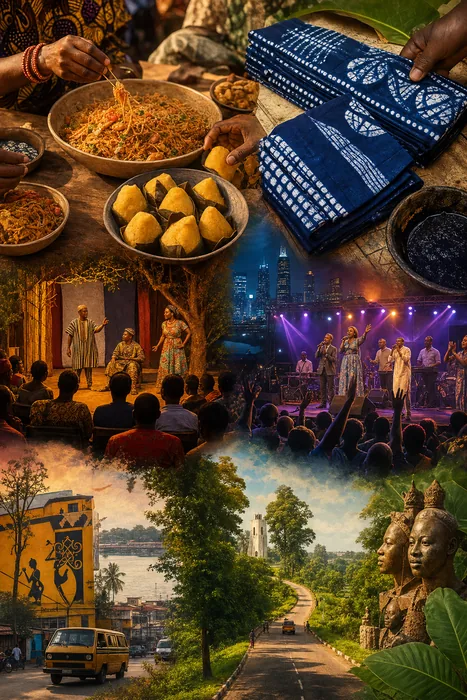
June opens just after the Eid ul-Adha public holidays, so some of the big Sallah-season heritage energy has already spilled into late May. But the month still has its own flavour: Port Harcourt brings abacha and city lifestyle, Lagos leans into Adire and gospel music around the Democracy Day weekend, Abuja hosts an international theatre gathering, and Owerri carries a South-East food-culture note. Then July starts calling loudly from Osun and Ekiti, with Osun-Osogbo and Ogedengbe Fiesta already on the horizon.
This edition is not trying to force a festival map where the sources are thin. The strongest verified June listings sit in Rivers, Lagos, the FCT and Imo, while the following month’s most significant confirmed heritage leads are in Osun and Ekiti. Expect a month of food, textile craft, faith-linked music, participatory theatre and early preparation for major Yoruba cultural-history events.
Key Takeaways
- June’s strongest confirmed cultural events are spread across Port Harcourt, Lagos, Abuja and Owerri.
- Food culture has a strong month, with abacha-centred festivals in Rivers and Imo pointing to cuisine as memory, enterprise and city identity.
- Adire Lagos Experience gives textile heritage a major Lagos creative-economy platform from 11–14 June.
- Abuja’s International Improv & Playback Theatre Festival is a standout arts entry outside Lagos.
- July lookahead is heavy on South-West heritage, especially Osun-Osogbo and Ogedengbe Fiesta.
The Big Picture
June 2026 is a practical reminder that Nigeria’s cultural calendar is broader than one kind of festival. This month mixes food fairs, textile showcases, theatre workshops, gospel music and community gathering, with Democracy Day on 12 June shaping the Lagos long-weekend atmosphere. The source-backed map is still uneven: Lagos remains well documented, but this edition has credible entries from Rivers, Imo and the FCT. For the North-East, North-West and parts of the South-South beyond Rivers, no strong current June listings were verified in this research pass, so they are not padded into the display.
Top Festivals And Cultural Events
Port Harcourt puts abacha at the centre of city culture
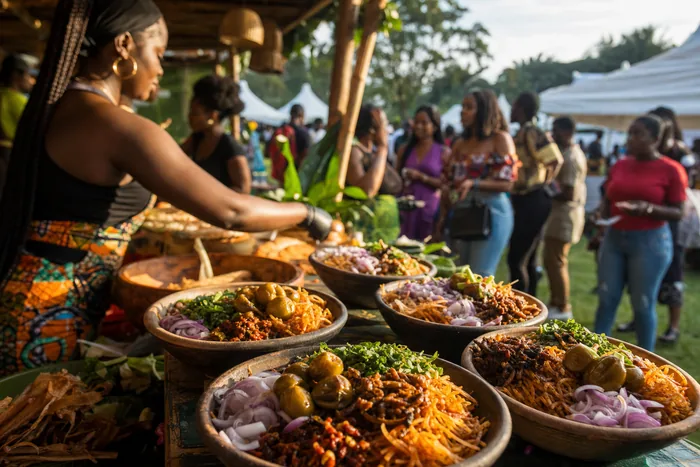
Abacha Fiesta is June’s strongest non-Lagos food-culture pick: an official 7 June listing at Port Harcourt Polo Club built around African salad, vendors, music, fashion, art and outdoor city gathering.
The official festival site lists Abacha Fiesta for 7 June 2026 at Port Harcourt Polo Club in Rivers State.
Food festivals can do more than sell plates. Here, abacha becomes a way to talk about South-South and Eastern Nigerian food memory, youth style, entrepreneurship, music and the social life of Port Harcourt.
Abacha, often called African salad, carries everyday and celebratory meanings across parts of Eastern Nigeria and beyond. This festival presents it in a contemporary city setting alongside vendors, performance and lifestyle culture.
The official site describes an all-day outdoor experience with food, drinks, music, vendor village and photo/style areas; lineup and access details should still be checked close to attendance.
What To Watch
- Final music and performance lineup.
- Ticketing or gate-access updates from the organisers.
- Weather, traffic and parking information for Port Harcourt Polo Club.
- Vendor list and food-safety or crowd-management advisories if published.
Adire returns to Victoria Island as heritage, fashion and business
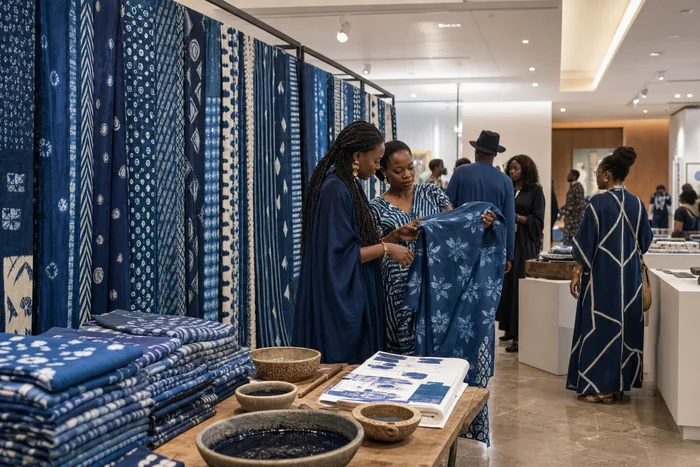
The fifth Adire Lagos Experience is reported for 11–14 June at Ecobank Pan African Centre, with more than 100 vendors expected and a strong focus on textile heritage, artisans and creative commerce.
Nairametrics and The Guardian Nigeria reported Ecobank’s announcement of the 2026 edition for 11–14 June at the Ecobank Pan African Centre, Victoria Island.
Adire is not just a fabric trend. It is a Nigerian textile tradition carried by makers, dyers, traders, designers and families, now finding new life in contemporary fashion, export conversations and African creative-industry networks.
Adire’s dyeing traditions are strongly associated with Yoruba textile heritage, especially indigo, resist-dyeing techniques and pattern language, while today’s designers and artisans are also expanding its meanings for modern wardrobes and global markets.
Reports say the four-day event will feature more than 100 vendors, with Nigerian exhibitors forming the majority and some participation from other African countries.
What To Watch
- Public registration or walk-in details.
- Daily schedule for exhibitions, performances and conversations.
- Artisan representation and whether dyeing or process demonstrations are open to visitors.
- Traffic and access information around Victoria Island during the Democracy Day weekend period.
Abuja hosts a week of unscripted theatre and live storytelling
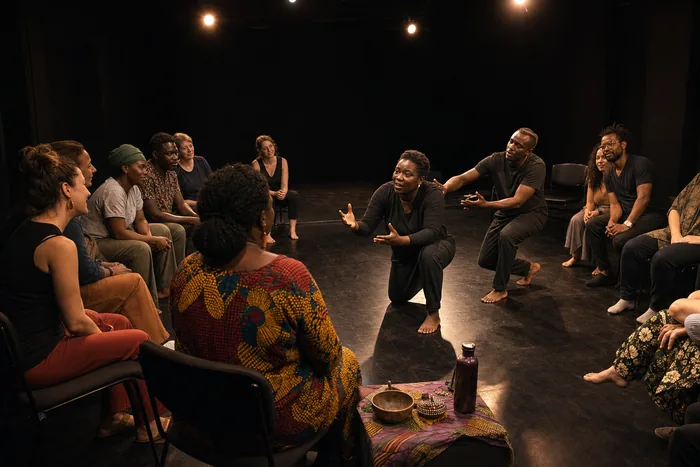
From 21–27 June, Abuja is listed as host city for an international improv and Playback Theatre festival focused on performance, social practice, healing, resilience and participatory storytelling.
Official, ticketing and media sources list the festival for 21–27 June 2026 in Abuja. Media reports identify Baze University for workshops and Art Tech District for evening showcases.
This is a strong arts-calendar entry outside Lagos, and it places Nigeria within an international conversation about theatre as performance, listening practice, education, community work and social imagination.
Playback Theatre uses audience stories as material for live improvised performance. In a Nigerian setting, the form connects neatly with older habits of oral storytelling, public testimony, satire, music and communal response, while still belonging to a modern international theatre movement.
Official and ticketing pages list workshop fees, performance categories and some free workshops; venue-by-venue access should be confirmed with organisers.
What To Watch
- Final daily timetable for workshops, masterclasses and evening showcases.
- Which sessions are public, paid, free or pre-registered.
- Venue confirmation for each day.
- Updates on international facilitators and Nigerian participating artists.
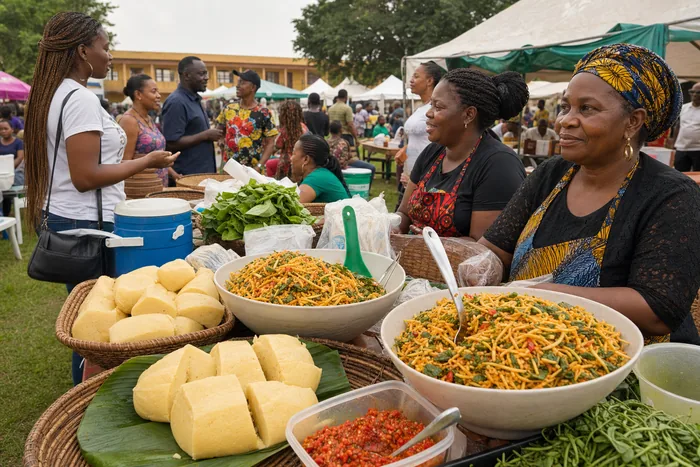
Owerri listing brings abacha and okpa into the June food-culture mix
The official event site lists Abacha Na Okpa Enugu Festival for 14 June 2026 at City Primary School, Owerri. The name references Enugu, but the public venue currently listed is in Imo State, so readers should treat Owerri as the stated location.
The official site lists the event for 14 June 2026 at City Primary School Owerri, beside Fire Service, Owerri, Imo State.
The event adds a South-East food-and-heritage note to June, centring abacha and okpa while connecting cuisine to music, small businesses, vendors and community gathering.
Abacha and okpa are deeply familiar foods across parts of Eastern Nigeria, carried through home kitchens, markets, road trips, school memories and city street food. A festival frame can make those everyday foodways visible without reducing Igbo or Eastern Nigerian identity to cuisine alone.
The official site lists ticket categories and organiser-stated expectations for attendance, vendors and participating states; those figures should be read as organiser claims.
What To Watch
- Any update explaining the Enugu name and Owerri venue relationship.
- Final ticketing and gate arrangements.
- Vendor list and music programme.
- Local traffic, parking and crowd information around the listed Owerri venue.
A Democracy Day evening of gospel music at Tafawa Balewa Square
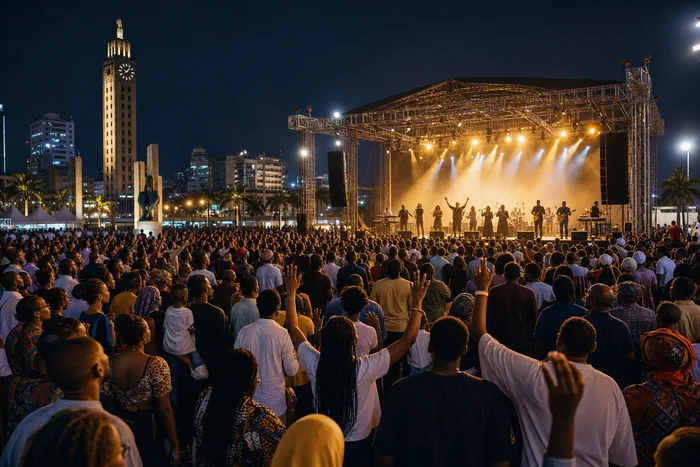
MEGA Music Festival 2.0 is listed for 12 June at Tafawa Balewa Square, bringing contemporary gospel music and youth faith culture into the Lagos long-weekend calendar.
Gospello lists the event for Friday 12 June 2026 at Tafawa Balewa Square, Lagos. The page identifies RCCG Youth & Young Adults as organiser, but the listing shows inconsistent time details, so the final start time should be confirmed.
Gospel music is a major part of Nigerian popular sound and public gathering culture. A large youth-linked worship event at TBS speaks to how faith, music, public space and Lagos nightlife often overlap.
Church-linked music events in Nigeria often function as worship, youth gathering, performance platform and social meeting point at once. This one sits on Democracy Day, a public holiday that can shape movement and turnout across Lagos Island.
The Gospello listing describes the event as free and includes parking, shuttle and wheelchair-access information; readers should confirm directly with organiser channels before attending.
What To Watch
- Final start time, since the listing contains conflicting time information.
- Official RCCG YAYA confirmation of programme and access details.
- Security, parking and shuttle updates around Tafawa Balewa Square.
- Any Lagos traffic advisories linked to Democracy Day activities.
July lookahead: Osun-Osogbo begins its sacred season
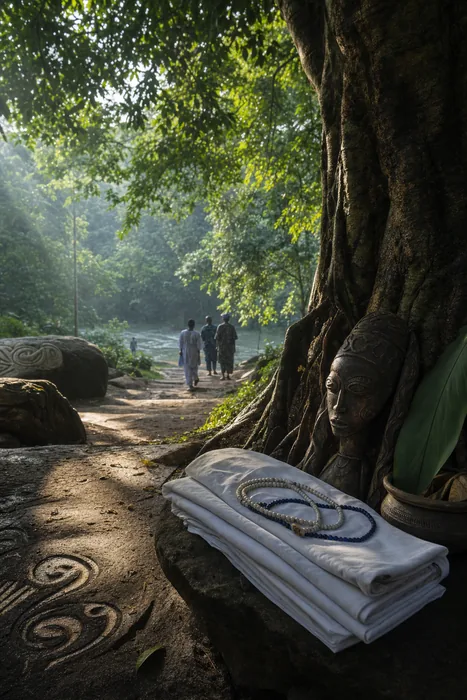
The major July heritage watch is Osun-Osogbo, officially listed for 27 July–7 August 2026. It is one of Nigeria’s most significant living Yoruba religious-cultural institutions and should be approached with respect for sacred practice and community custodianship.
The official festival site and Punch report the 2026 dates as 27 July–7 August in Osogbo, Osun State.
Osun-Osogbo is not just a tourism headline. It is a living religious-cultural festival centred on Osun, Osogbo civic identity, ritual continuity, the sacred grove, artistry, ecology, procession and intergenerational memory.
The festival is rooted in Yoruba religious practice and Osogbo community life, with the Ataoja of Osogbo and cultural custodians playing important roles. Visitors should treat sacred spaces, rituals and photography boundaries with seriousness.
The official site and organisers cite large attendance expectations, but figures should be treated as organiser or site claims rather than independently verified counts.
What To Watch
- Final day-by-day ritual and public-event calendar.
- Visitor conduct guidance for the Osun Sacred Grove and other sacred spaces.
- Photography restrictions and media-access rules.
- Accommodation, traffic and crowd-management advisories from relevant authorities.
July lookahead: Yoruba war-history memory across Osun and Ekiti
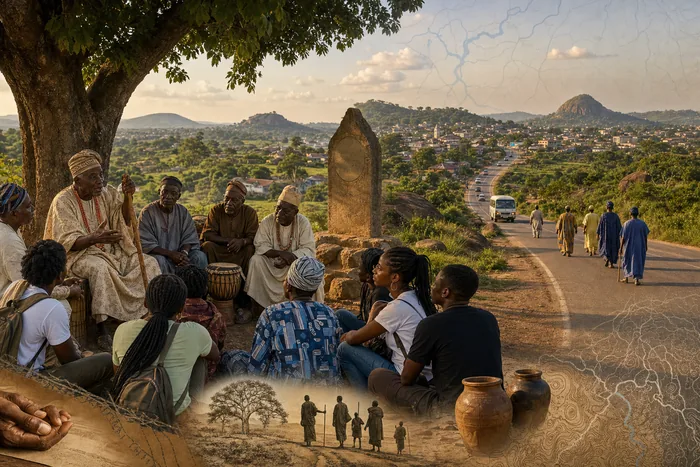
Ogedengbe Fiesta is reported for 29–31 July across Osun and Ekiti locations, with programming tied to Ogedengbe Agbogungboro, Kiriji War history, historic sites, storytelling and legacy honours.
Independent Newspaper Nigeria reported the festival director’s announcement of 29–31 July 2026, with locations in Atorin, Ilesa, Imesi-Ile and Okemesi-Ekiti.
The festival opens a window into Yoruba historical memory beyond the better-known annual religious festivals, especially the legacy of Ogedengbe Agbogungboro and the peace-settlement narratives around the Kiriji War era.
Ogedengbe Agbogungboro is remembered as a major Yoruba war leader and statesman. A careful festival frame should foreground history, community memory, traditional institutions and heritage sites rather than reducing the story to warrior spectacle.
Reported activities include homage to ancestral roots, cultural receptions, historical reflections, excursions to Kiriji War-related sites and an awards segment; official programme and access details still need confirmation.
What To Watch
- Official programme confirmation for each location.
- Access rules for homage rites and community ceremonies.
- Travel guidance between Osun and Ekiti festival points.
- Details on historic-site excursions and any visitor restrictions.
Regional Spread
- Rivers gives June a strong South-South anchor through Abacha Fiesta in Port Harcourt.
- Lagos remains prominent, but this edition avoids making it the whole story: Adire Lagos Experience and MEGA Music Festival sit beside Abuja, Owerri and Port Harcourt entries.
- The FCT appears through the International Improv & Playback Theatre Festival, a strong North-Central arts listing.
- Imo brings a South-East food-culture listing, though readers should note the event name references Enugu while the listed venue is in Owerri.
- July’s confirmed heritage lookahead is strongly South-West, led by Osun-Osogbo and Ogedengbe Fiesta.
- No strong current June listings were verified for the North-East, North-West or several under-documented community festival circuits in this pass.
Key Events
-
7 June 2026
Abacha Fiesta 2026
Port Harcourt’s food-and-lifestyle festival puts abacha, vendors, music and city style at the centre.
-
11–14 June 2026
Adire Lagos Experience 2026
A major Lagos textile and fashion-heritage showcase with reported artisan and vendor participation.
-
12 June 2026
Democracy Day / MEGA Music Festival 2.0
Nigeria’s Democracy Day public holiday also hosts a listed gospel music gathering at Tafawa Balewa Square.
-
14 June 2026
Abacha Na Okpa Enugu Festival 2026
A listed Owerri food-culture event built around abacha, okpa, vendors and community gathering.
-
21–27 June 2026
International Improv & Playback Theatre Festival 2026
Abuja hosts a week of workshops, showcases and participatory theatre practice.
-
26 June 2026
Nupe Day / Nupe Cultural Day watchpoint
Nupe Day is historically associated with 26 June, but no current 2026 official programme was verified in this pass.
-
27 July–7 August 2026
Osun-Osogbo Festival 2026
A major Yoruba religious-cultural festival begins in Osogbo and runs into August.
-
29–31 July 2026
Ogedengbe Fiesta 2026
A reported Osun–Ekiti heritage-history programme honours Ogedengbe Agbogungboro and Kiriji War memory.
Watchlist
ODUAFEST / Southwest Tourism Investment Summit
It could become a useful South-West tourism and cultural-economy story, but current public information carries conflicting date and location signals, so readers should wait for organiser clarification.
Nupe Day 2026
A confirmed 2026 programme would strengthen North-Central heritage coverage and bring attention to Nupe history, identity, crafts and community memory.
Lagos Igbo Hangout 2026
The listing points to a Lagos-based Igbo community gathering, but organiser, programme and access details need stronger verification before public recommendation.
July visitor guidance for Osun-Osogbo
Because the festival includes sacred spaces and living religious practice, conduct rules, photography boundaries and crowd guidance matter as much as dates.
Community festival documentation outside major cities
Many culturally important festivals still publish sparse public information, which makes careful verification essential before they can be responsibly listed.
Related Reading
- Adire and Nigeria’s textile heritage
- Food festivals as cultural memory
- Osun-Osogbo visitor etiquette and sacred-space respect
- Nigerian gospel music and youth culture
- Yoruba history routes across Osun and Ekiti
Sources
- Abacha Fiesta - Port Harcourt's boldest annual outdoor festival - Abacha Fiesta, No publication date shown
- Ecobank Announces Fifth Edition of Adire Lagos Experience - Nairametrics, 17 April 2026
- Ecobank to host over 100 vendors at Adire Lagos 2026 exhibition - The Guardian Nigeria, 17 April 2026
- Meet in Nigeria - Access to Creative Play Foundation, No publication date shown
- International Improv & Playback Theatre Festival 2026 – #MeetInNigeria - Eventbrite / The Ensemble Theatre Company, No publication date shown
- Abuja to host Africa’s first playback theatre festival - Punch, 11 May 2026
- Abacha Na Okpa Enugu Festival 2026 - Abacha Na Okpa Enugu Fest, No publication date shown
- MEGA MUSIC FESTIVAL 2.0 - Gospello, No publication date shown
- Home - ODUAFEST - ODUA FESTIVAL - ODUAFEST, No publication date shown
- LAGOS IGBO HANGOUT 2026 - HappeningNext, No publication date shown
- Osun Festival - Home - Osun-Osogbo Festival, No publication date shown
- Osun-Osogbo festival targets 500,000 participants — Organisers - Punch, 25 April 2026
- Organisers Set For 2026 Ogedengbe Fiesta Across Osun, Ekiti - Independent Newspaper Nigeria, 5 May 2026
- Nupe Day festival - Orivvio, No publication date shown
- Federal Government declares Wednesday 27th May and Thursday 28th May, 2026 as public holidays to mark Eid ul Adha celebration - Federal Ministry of Interior, May 2026
- Democracy Day 2026 in Nigeria - timeanddate.com, No publication date shown