Discover.
Entertain. Live. Asorock
Nigeria Monthly Festival Events - July 2026
July moves from Lagos creative heat to Abuja community gatherings, then hands the cultural baton to Osun-Osogbo and a fuller August heritage calendar.
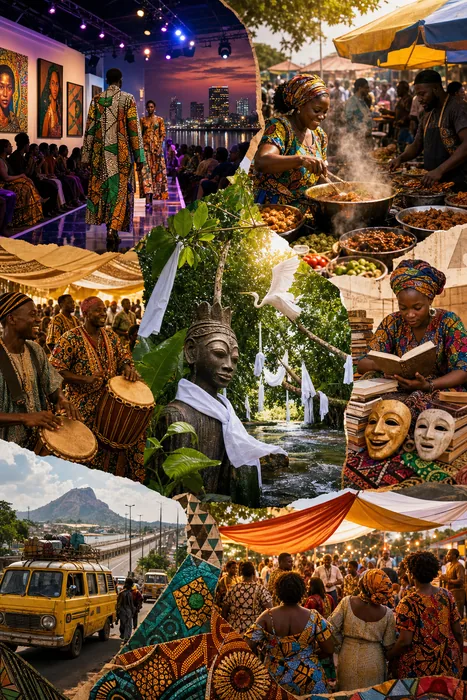
July in Nigeria’s culture calendar feels like a bridge month: the big-city creative scene is loud in Lagos and Abuja, food events are travelling across major urban centres, and Osogbo is already preparing the ground for one of the country’s most important living sacred festivals. For Asorock readers at home and abroad, this edition is about knowing what actually happened, what is still unfolding, and which August dates deserve a close watch before you pack bag or camera.
The month’s strongest confirmed listings lean Lagos and FCT, but the cultural mood widens as Osun-Osogbo begins on July 27 and carries the heritage calendar into August. The following month looks richer regionally, with food, literary, New Yam-related and traditional festival activity signalled in Abuja, Rivers, Anambra, Ondo, Sokoto and Osun—though several still need final venue, access or programme confirmation.
Key Takeaways
- Osun-Osogbo is the key bridge event of this edition, opening in late July and continuing into August in Osogbo, Osun State.
- Lagos led the contemporary culture lane in July through VVS Lagos, theatre and youth nightlife, while Abuja/FCT carried diaspora, Idoma community and food-culture moments.
- Food culture remains a major public-facing thread, from jollof activations in Abuja and Port Harcourt to August’s Kilishi Festival watch in Abuja.
- August has stronger regional spread, but readers should verify final dates, venues and visitor protocols before travelling for heritage or community-rooted events.
- Sacred, royal and community festivals should be approached with respect: not every ceremony is open, and photography or filming may have local rules.
The Big Picture
July’s verified culture map is digitally strongest in Lagos and Abuja, which is not the same thing as saying culture is only happening there. The month’s biggest heritage signal comes from Osun State, where the Osun-Osogbo Festival begins on July 27. August then broadens the map with food festivals, literary programming, New Yam-linked events and Owo heritage activity, but several listings still need last-mile confirmation on venue, access, daily schedule or official observance.
Top Festivals And Cultural Events
Osun-Osogbo opens the August heritage season from late July
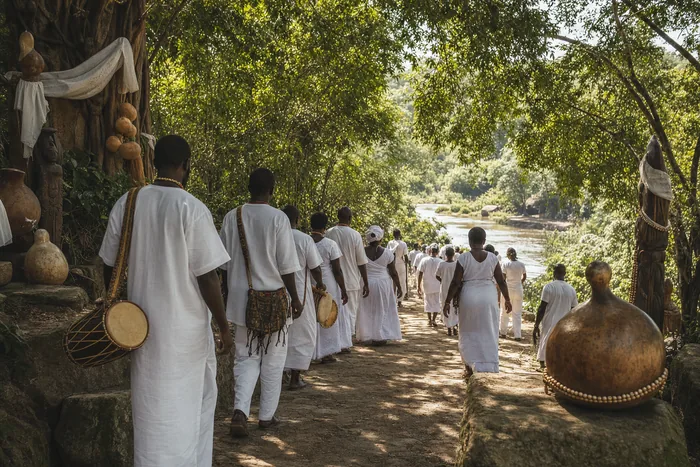
The Osun-Osogbo Festival is the strongest cultural anchor of this edition: a major Yoruba religious-cultural gathering in Osogbo that begins in July and continues into August.
The official festival site lists the 2026 edition for July 27 to August 7 in Osogbo, with programme points continuing into August.
This is not just a colourful calendar stop; it is a living spiritual, cultural and community institution connected to the Osun river, Osogbo identity and the Osun-Osogbo Sacred Grove.
Osun-Osogbo should be approached as sacred Yoruba heritage with community protocols, not simply as tourism spectacle. Public-facing coverage should respect worship, procession, grove etiquette and local custodianship.
The official site describes the festival as an annual two-week celebration and includes visit-planning language; readers should check which ceremonies are open to visitors and any photography or movement restrictions before attending.
What To Watch
- Daily programme updates for the final August ceremonies.
- Visitor conduct guidance around the Sacred Grove and river-related activities.
- Photography, filming, dress and access rules from festival authorities.
- Traffic, crowd-management and local tourism advisories in Osogbo.
VVS Lagos put Afromodernism on the city’s creative runway
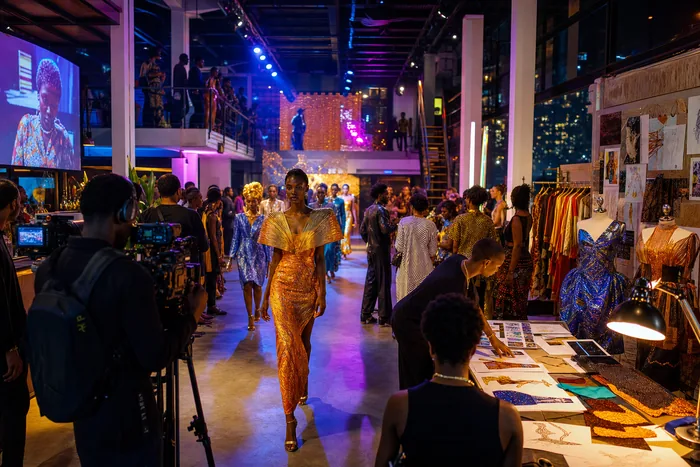
VVS Lagos brought fashion, art, film, music and technology into one Lagos creative-economy frame, making it one of July’s strongest contemporary culture highlights.
The official VVS Lagos site lists the 2026 edition for July 5–12, with programming across multiple Lagos venues including Alliance Française, Mikano, Blank Space, Yenwa Gallery, British Council, Film One Landmark, FOMO Lagos and Club 245.
The theme, Afromodernism, gives useful language for a Lagos scene where African identity, design, youth culture and future-facing tools are being worked out in public.
This is contemporary culture rather than traditional festival heritage: Lagos as studio, runway, gallery, cinema room and networking floor all at once.
Official schedule pages included RSVP or ticket links for different segments; some events were private-location or RSVP-based.
What To Watch
- Post-event images and designer recaps from participating venues.
- Whether VVS publishes full panel, runway or film-session documentation.
- Future Afromodernism-related collaborations across fashion, art and technology.
- Public access details if any July programming is archived or extended.
Jollof took the food-culture road through Abuja and Port Harcourt
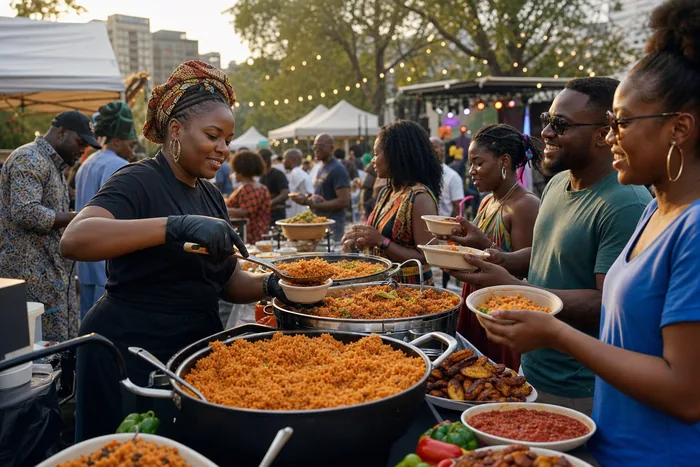
After a June Lagos stop, the Knorr Jollof Festival moved through Abuja and Port Harcourt in July, using jollof rice as a mainstream food-culture gathering point.
Official terms list event days as June 20, July 12 and July 19, 2026 across Lagos, Abuja and Port Harcourt. TheCable also reported the Abuja stop at Harrow Park.
Jollof is everyday food, party food, argument starter and national soft power all in one pot. This activation shows how Nigerian cuisine keeps moving between home memory, city leisure, brand culture and music-led public events.
This should be framed as a contemporary branded food-culture event, not a traditional festival. Its cultural value sits in how jollof functions in Nigerian social life, taste memory and city entertainment.
Official terms say the event ran from 12:00 pm to 7:00 pm Nigerian time on listed event days and included media-use/data terms for participants.
What To Watch
- Post-event city recaps, especially Port Harcourt documentation.
- Whether organisers publish vendor, chef or music highlights.
- Future food-festival routes beyond Lagos and Abuja.
- Clear venue details if the format returns in another city.
Diaspora Day brought global Nigerian identity into the Abuja frame
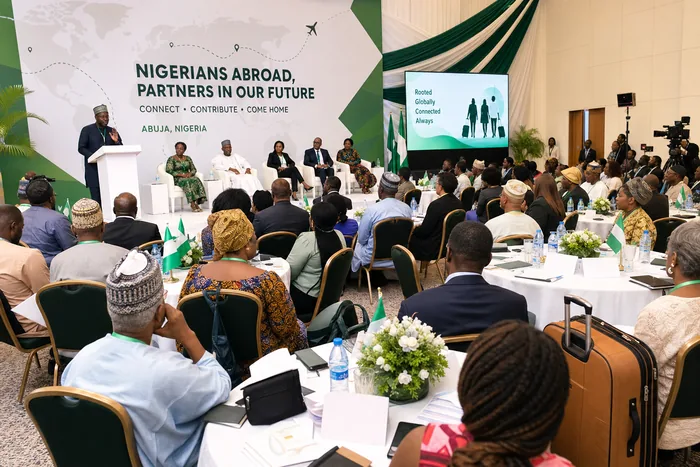
NiDCOM’s Diaspora Day Celebrations offered a late-July institutional culture moment for Nigerians at home and abroad, especially readers tracking returnee networks and national identity.
The NiDCOM event page lists Diaspora Day Celebrations for July 24–25, 2026 at the Presidential Villa, Abuja, and marks the event closed.
Diaspora events matter culturally because Nigerian identity does not stop at the airport. They connect families, professionals, artists, investors, returnees and second-generation Nigerians to national memory and future belonging.
This is institutional public programming around diaspora engagement. Any cultural-performance or public-access detail should be confirmed from the official programme rather than assumed.
The official page showed registration and venue details; because the venue was the Presidential Villa, access should be treated as controlled rather than walk-in.
What To Watch
- Official post-event communiqués and photo releases.
- Confirmed cultural-programme details, if published by NiDCOM.
- Diaspora policy, tourism and cultural-diplomacy follow-ups.
- Future registration and access guidance for diaspora-facing events.
Idoma Day showed how hometown heritage lives in Abuja too
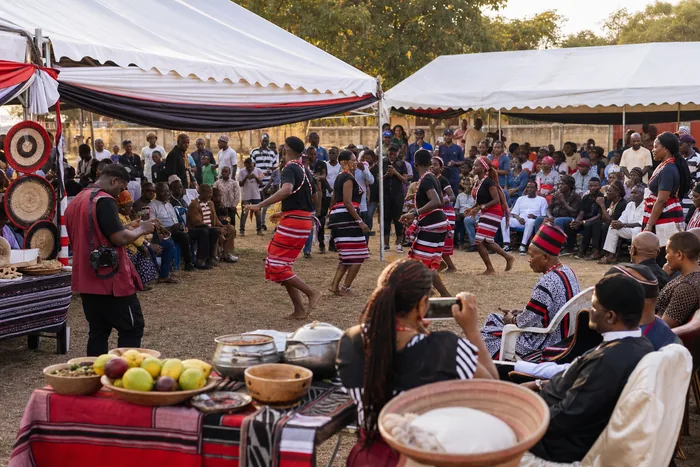
Reported in early July, Idoma Day in Abuja stands out as a community heritage celebration bringing language, attire, cuisine, dance and reunion energy into the capital.
Media reports published July 5 and 6 describe the 2026 Idoma Day celebration as taking place on a Saturday at Old Parade Ground, Garki, Abuja; the date points to around July 4, 2026.
It reminds readers that Nigerian ethnic-nationality festivals are not only held in ancestral towns. Urban community gatherings in Abuja, Lagos and the diaspora are also important spaces where language, food, family networks and identity are renewed.
Idoma Day should be described specifically as Idoma community heritage, not with generic labels. Reports point to community associations, traditional leaders, youth groups, cultural troupes, cuisine and exhibitions.
Available details come from media reports rather than a primary organiser page found in this lookup, so exact attendance, programme and formal date should be attributed or rechecked.
What To Watch
- Primary organiser confirmation for future editions.
- Whether community associations publish official photo or programme archives.
- Language, cuisine and youth-group documentation from Idoma community networks.
- More Middle Belt cultural events with strong public information.
DURO! brought Yoruba cosmology into intimate Lagos theatre
Though not a festival, this July Lagos stage production earns a place as a strong arts-culture highlight rooted in Yoruba mythological storytelling and contemporary performance.
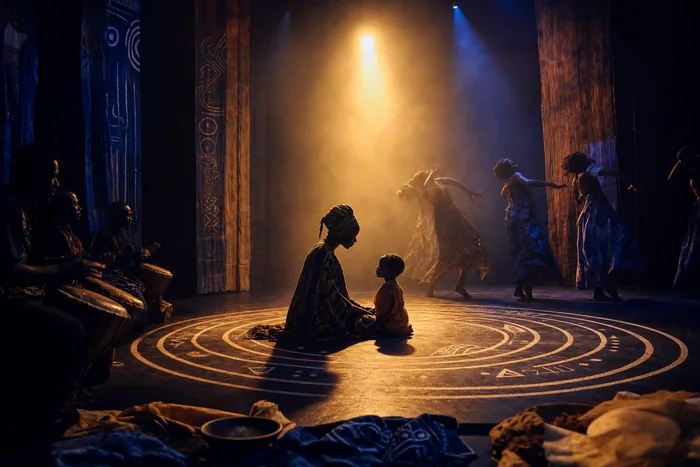
Naija Theatre listed DURO! DUROORIKEE for July 18–19, 2026 at Immersia Anthill Studio, Oregun, Lagos.
The production draws on Yoruba cosmology and abiku storytelling, using theatre, music, chants and dance to explore motherhood, sacrifice, destiny and identity.
Indigenous storytelling continues to find new room in Lagos black-box and studio spaces. The value here is not only the mythic reference, but how performers translate inherited ideas into contemporary stage language.
The listing included regular and VIP ticket prices, but because the show dates have passed, readers should treat this as a July highlight unless organisers announce another run.
What To Watch
- Reviews, cast interviews or production stills from the July run.
- Whether the play returns for an encore or tours another city.
- More theatre listings using Nigerian-language, cosmology or oral-story material.
- Archival documentation from Naija Theatre or the production team.
Amuwo Block Party carries Lagos mainland nightlife into August morning
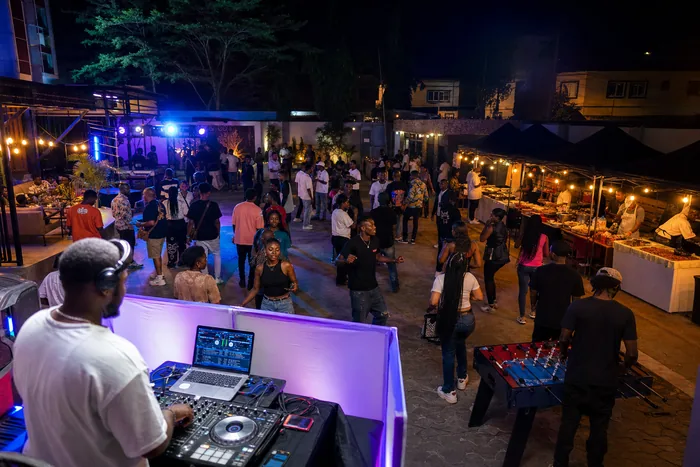
This July 31 overnight event brings Lagos mainland youth culture, music, vendors, food, games and street-style energy into the edition’s closing weekend.
A ticketing page lists Amuwo Block Party for July 31, 2026, from 8:00 pm to August 1, 2026, 5:00 am, at Festival Hotel Festac Lagos by Premium Swiss Hospitality, Amuwo-Odofin.
Lagos nightlife coverage can too easily default to the Island. A Festac/Amuwo-facing event reminds readers that mainland youth scenes, vendors, DJs and neighbourhood pride are part of the city’s cultural engine.
This is youth-facing contemporary culture: nightlife, music, food, fashion, games and vendor showcases. It should be framed as community-level Lagos pop culture, not traditional heritage.
The ticketing source describes live performances, DJ sets, games, brand activations, vendor showcases and social experiences; readers should confirm line-up, age rules, access and security details with the organiser or ticketing platform.
What To Watch
- Final line-up and DJ announcements.
- Age restriction, security and entry rules.
- Capacity, parking and late-night transport guidance.
- Whether the event remains live on the ticketing platform before attendance.
August look-ahead: Kilishi Festival brings northern food culture to Abuja
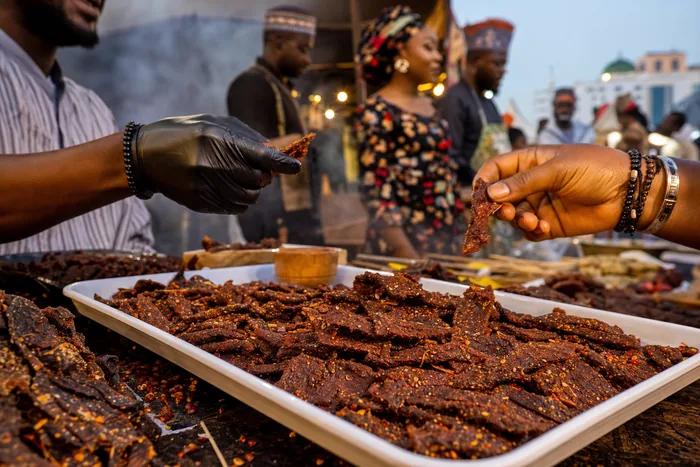
As a following-month pick, Kilishi Festival is an Abuja food-culture event to watch at the start of August, centred on kilishi, vendors, music and lifestyle programming.
The festival site lists August 2, 2026 in Abuja, Nigeria, but the specific venue was not visible in the accessible page text.
Kilishi is a widely recognised northern Nigerian dried-meat delicacy with deep food-memory value. A public festival around it shows how regional food heritage can enter contemporary city leisure without losing its specificity.
This should be framed as a northern Nigerian food-culture event around kilishi, not as a shorthand for all northern cuisine. Food cultures vary widely across northern communities and cities.
The festival site lists ticket/pass requirements, bag checks, under-18 accompaniment and prohibited items including weapons, outside food/drinks and drones without approval.
What To Watch
- Final Abuja venue announcement.
- Ticket/pass and entry guidance close to the event.
- Vendor list, music programme and access rules.
- Any photography or drone restrictions from organisers.
Regional Spread
- July’s strongest confirmed listings are Lagos- and Abuja-heavy, reflecting where searchable event information is easiest to verify.
- Osun State gives the month its major sacred heritage anchor through Osun-Osogbo, which continues into August.
- August improves the map with Abuja, Rivers, Anambra, Ondo, Sokoto and Osun leads, though several need final venue, access or date confirmation.
- South East New Yam-related coverage is visible through the Nnewi Afia Olu marathon report, but broader 2026 New Yam festival dates remain under-confirmed in this research pass.
- Northern coverage is present through Abuja Kilishi Festival and the Sokoto Book and Arts Festival watch, but more primary community sources are still needed.
Key Events
-
July 5 – 12, 2026
VVS Lagos 2026: Afromodernism
A Lagos creative-culture week linking fashion, art, film, music and technology.
-
Around July 4, 2026
Idoma Day 2026
A reported Abuja celebration of Idoma identity, community ties and Benue South heritage.
-
July 12 and July 19, 2026
Knorr Jollof Festival July legs
Food-culture activations in Abuja and Port Harcourt after the June Lagos stop.
-
July 18 – 19, 2026
DURO! DUROORIKEE stage play
A Lagos theatre highlight drawing on Yoruba cosmology and abiku storytelling.
-
July 24 – 25, 2026
Diaspora Day Celebrations
An Abuja institutional event focused on Nigerian diaspora connection and national identity.
-
July 27 – August 7, 2026
Osun-Osogbo Festival 2026
The month’s major heritage bridge into August, centred in Osogbo, Osun State.
-
July 31 – August 1, 2026
Amuwo Block Party 2026
An overnight Lagos mainland youth-culture and nightlife event.
-
August 2, 2026
Kilishi Festival 2026
An Abuja food-culture look-ahead; readers should confirm the specific venue.
-
August 14 – 16, 2026
BoleFishtival 2026
A Port Harcourt food-culture event to watch, with venue and line-up details still needing confirmation.
-
August 26, 2026
Id el Maulud public-holiday watch
Listed by public-holiday sources, but readers should check final Federal Government confirmation closer to the date.
-
August 28, 2026
Nnewi Afia Olu New Yam Festival Marathon and Abuja Tech × Art Fest
Two August culture-adjacent signals: a New Yam-linked sports event in Nnewi and a creative-tech festival listing in Abuja.
-
Late August / September 2026
Igogo Festival 2026 watch
Official Igogo Festival pages give overlapping date ranges, so readers should confirm whether August 30 or September 1 is the formal start.
Watchlist
BoleFishtival 2026, Port Harcourt
A strong South South food-culture lead for August, but readers need final venue, ticketing and line-up confirmation.
Nnewi Afia Olu New Yam Festival Marathon
The August 28 marathon offers a culture-and-sport angle tied to Nnewi’s Afia Olu New Yam Festival context; broader festival dates still need official confirmation.
Igogo Festival 2026, Owo
A major Owo heritage festival is signalled for late August or September, but the official page gives two date ranges that need clarification.
Sokoto Book and Arts Festival 2026
A useful northern literary and arts lead for August, with exact dates and venues still to be confirmed.
Abuja Tech × Art Fest 2026
An Abuja creative-tech listing for late August that could balance Lagos-heavy creative economy coverage once programme details are clearer.
Id el Maulud 2026 public-holiday confirmation
Public-holiday calendars list August 26, but religious-holiday observance should be checked against final official confirmation and lunar-calendar practice.
Related Reading
- Osun-Osogbo visitor etiquette and sacred-space context
- Nigerian food festivals and city identity
- Diaspora identity and cultural diplomacy
- New Yam festival traditions across communities
- Lagos mainland youth culture
Sources
- VVS Lagos | Afromodernism - VVS Lagos
- Osun Festival - Home - Osun-Osogbo Festival
- DIASPORA DAY CELEBRATIONS – Abuja | July 2026 - Nigerians in Diaspora Commission, 2026-07-24
- Terms and Conditions: Knorr Jollof Festival For The Culture - Knorr Jollof Fest
- Five highlights that made Knorr Jollof Fest Abuja the place to be - TheCable, 2026-07-21
- 2026 Idoma Day: Abuja Hosts Grand Celebration of Idoma Culture, Unity and Heritage - City Post, 2026-07-06
- More Than a Festival: Idoma Day Turns Abuja into a Celebration of Heritage, Unity and Identity - Nigerian Anchor, 2026-07-05
- Amuwo Block Party - Jetron Ticket, 2026-07-31
- DURO Stage Play Showing in Lagos This July - Naija Theatre, 2026-06-29
- Kilishi Festival 2026 - Bites, Beats & Culture - Kilishi Festival
- BoleFishtival 2026 - Same Bole. Same Fish. More Vibe. - BoleFishtival
- Home - Igogo Festival - Igogo Festival
- Nnewi’s Historic Marathon Set To Redefine Afia Olu New Yam Festival, Holds Aug 28 - Independent Newspaper Nigeria, 2026-07-06
- Sokoto Book & Arts Festival returns in August with ‘Awakening: The Oasis’ theme - The Lagos Review, 2026-06-12
- ATAF — Abuja Tech × Art Fest | Nigeria's Premier Creative-Tech Festival - Abuja Tech × Art Fest
- Public Holidays - High Commission of the Federal Republic of Nigeria, Ottawa
More in Nigeria Festivals
More Summaries
- Top Sports Videos
- Top Music Videos
- Top Entertainment Videos
- Nigeria Ethnic Origins Source-backed Visual Stories explaining Nigerian ethnic groups, origins, migration accounts,...
- Nigeria Sports Stars Timely analysis articles about Nigerian sports stars across all sports, with special depth for...
- Geopolitical Conflict Deep Dive Source-backed deep dives into major geopolitical conflict developments, explaining what happened,...
- News Summaries Nigeria News Summaries is your go-to digest for the latest headlines from Nigeria and beyond. We...